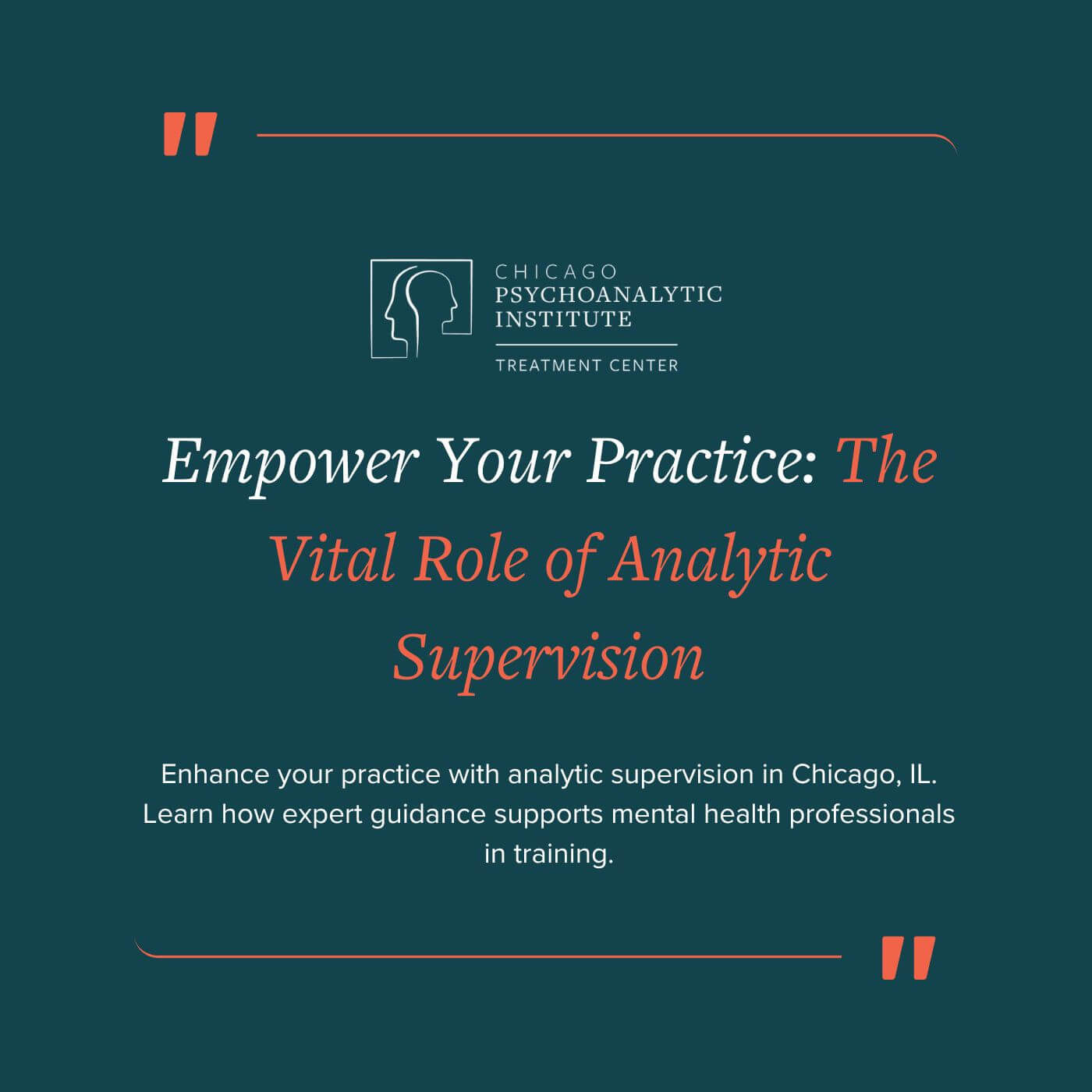
Mental health professionals training to become analysts understand the importance of analytic supervision in shaping their clinical skills. Regular meetings with a senior analyst provide a space to discuss patient progress, explore emotional reactions, and refine therapeutic approaches. This process is crucial for ensuring that emerging analysts develop the necessary skills to support their patients effectively.
What is Analytic Supervision?
It is a structured and collaborative process where a trainee meets regularly with a more experienced analyst to discuss their cases. During these sessions, the trainee shares details about their patients’ communications and their own responses. The supervising analyst listens carefully, asks probing questions, and provides guidance on how to approach treatment. They may also recommend relevant literature to deepen the trainee’s understanding of particular issues.
One of the key components of this type of supervision is exploring the trainee’s emotional reactions to what the patient shares during sessions. These reactions, known as “countertransference,” can significantly impact the therapeutic process. By addressing these emotions, the supervisor helps the trainee recognize any potential biases or interferences that could hinder effective treatment.
The Importance of Analytic Supervision in Professional Development
Analytic supervision is not just a requirement for those training to become analysts; it is a critical component of their professional development. It offers a unique opportunity for trainees to gain insight into their practice, ensuring that they are providing the best possible care to their patients. This guidance is especially important in Chicago, IL, where the mental health landscape is both dynamic and demanding.
Through analytic supervision, trainees learn to navigate the complexities of their patients’ experiences while also reflecting on their own emotional responses. This dual focus helps them develop a more nuanced understanding of the therapeutic process, allowing them to provide more empathetic and effective care. Additionally, the feedback and support from a supervising analyst build confidence and competence in handling challenging cases.
How Analytic Supervision Enhances Patient Care
The ultimate goal is to improve patient care. By working closely with a senior analyst, trainees can refine their therapeutic techniques and ensure they are responding to their patients in the most beneficial way. This supervision helps trainees recognize and address any personal biases or emotional reactions that could interfere with the therapeutic process.
Moreover, the collaborative nature of analytic supervision fosters a learning environment where trainees can explore different perspectives and approaches. This exposure to diverse therapeutic techniques allows them to become more adaptable and responsive to the unique needs of each patient. In a city as diverse as Chicago, IL, this flexibility is particularly valuable.
Practical Tips for Maximizing Analytic Supervision
To get the most out of analytic supervision, trainees should approach these sessions with openness and a willingness to learn. Here are some practical tips:
- Be Honest and Transparent: Share your thoughts, feelings, and challenges with your supervisor. The more open you are, the more you will benefit from the guidance provided.
- Reflect on Your Sessions: After each supervision meeting, take time to reflect on the insights gained and how they can be applied to your practice.
- Engage with Recommended Literature: When your supervisor suggests reading materials, make sure to engage with them fully. This literature can provide valuable context and deepen your understanding of the issues discussed.
- Stay Curious: Ask questions and seek clarification on anything that is unclear. Supervision is a learning process, and curiosity will help you grow as a clinician.
- Apply Feedback: Take the feedback from your supervisor seriously and apply it in your sessions with patients. This will help you refine your approach and improve patient outcomes.
The Lasting Impact of Analytic Supervision
Analytic supervision has a lasting impact on both the trainee and their patients. For the trainee, it provides a foundation of knowledge, skills, and emotional awareness that will support their entire career. For patients, it ensures that they receive care from a clinician who is well-supported and equipped to handle their needs.
In Chicago, IL, where mental health services are in high demand, the importance of well-trained analysts cannot be overstated. Through the process of analytic supervision, mental health professionals can offer the highest standard of care, contributing to the overall well-being of the community.
FAQs About Analytic Supervision in Chicago, IL
- What is analytic supervision?
Analytic supervision is a collaborative process where a trainee analyst meets regularly with a senior analyst to discuss patient cases and refine their therapeutic approach. - Why is analytic supervision important in Chicago, IL?
In Chicago, IL, analytic supervision is crucial for training mental health professionals to handle the diverse and complex needs of patients, ensuring high-quality care. - How does analytic supervision improve patient care?
By helping trainees recognize and address their emotional reactions, analytic supervision ensures that personal biases do not interfere with patient treatment, leading to better outcomes. - What should I expect from analytic supervision?
Expect a supportive environment where you can discuss challenges, gain insights into your practice, and receive constructive feedback on how to improve your therapeutic skills. - Where can I find analytic supervision in Chicago?
There are many experienced analysts in Chicago, who offer supervision services. These professionals can guide you through your training and help you develop into a skilled and confident analyst. If you’d like to get in touch with one through the Chicago Psychoanalytic Institute, please contact us here.
Psychoanalytic Services in Chicago
Based in Chicago, our psychoanalytic practice is committed to supporting the development of mental health professionals through comprehensive analytic supervision. Our experienced analysts provide a nurturing environment where trainees can grow, learn, and refine their skills. By fostering professional growth, we ensure that the residents of Chicago receive the highest standard of mental health care.
Conclusion
Analytic supervision is an essential component of training for any aspiring analyst. It offers the guidance, support, and feedback necessary to develop a successful and empathetic practice. If you’re ready to take your clinical skills to the next level, consider engaging in analytic supervision with a qualified professional here in Chicago. Contact us today to learn more about how we can support your journey.